
MFO History
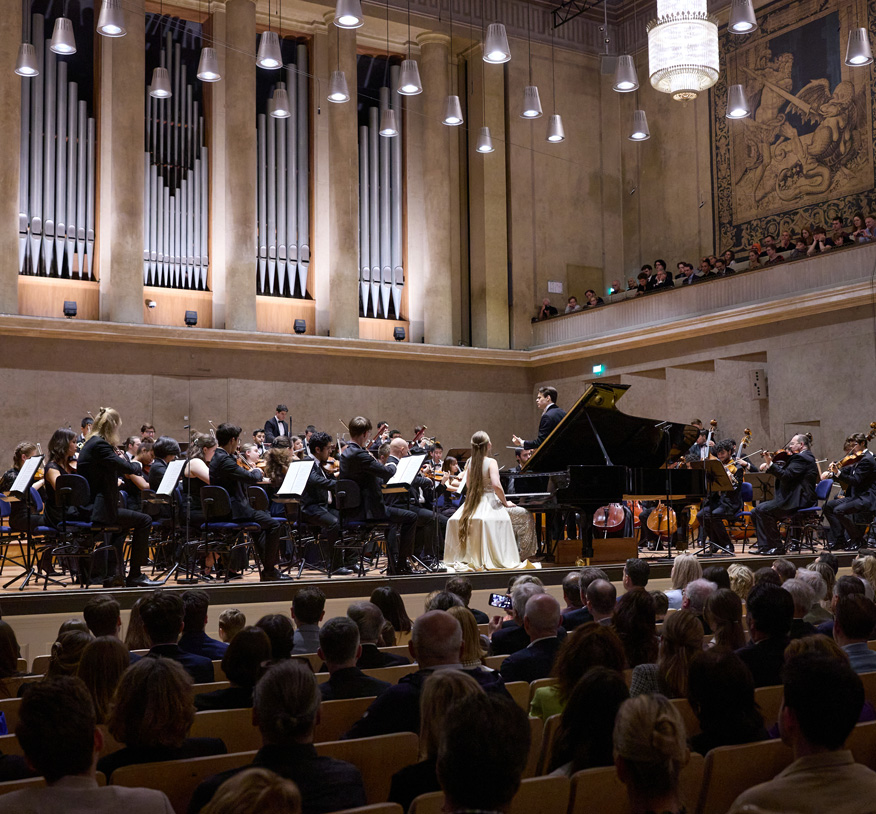
The Munich Festival Orchestra was founded by Maximilian Haberstock, a 22-year-old conductor from Munich.
The foundations for this orchestra were laid in 2019 when Haberstock founded the „Arcis Chamber Orchestra.“ He conducted this ensemble in two benefit concerts, with all proceeds going to Zeltschule e.V. for the education of 80 refugee children.
The expansion of this ensemble into a fully-fledged philharmonic orchestra (from 24 to 52 musicians) was made possible in 2023 by the addition of outstanding players from the University of Music & Performing Arts Munich, Verbier Festival Junior Orchestra, and Mahler Student Festival Orchestra.
The debut concert of the orchestra took place as part of the Stars & Rising Stars Festival in May 2023 under Haberstock‘s direction in the Carl-Orff-Saal, Gasteig, with the celebrated cellist Alban Gerhardt. The concert was a great success.
The second concert with Haberstock followed in May 2024 — this time with 66 musicians in the orchestra and the world-famous cellist Daniel Müller-Schott. This performance was met with great enthusiasm and praise from both the audience and the press.
In May 2025, Haberstock led his orchestra on a widely acclaimed tour with pianist Eva Gevorgyan, presenting an all-Beethoven program at the Great Hall of the Mozarteum in Salzburg and the Herkulessaal in Munich to sold-out audiences and standing ovations.
This success was followed in March 2026 by another celebrated four-city tour to Prague (Smetana Hall), Wiesbaden (Kurhaus), Frankfurt (Alte Oper), and Munich (Herkulessaal), together with pianist Maxim Lando in a program of Wagner, Liszt, and Beethoven.
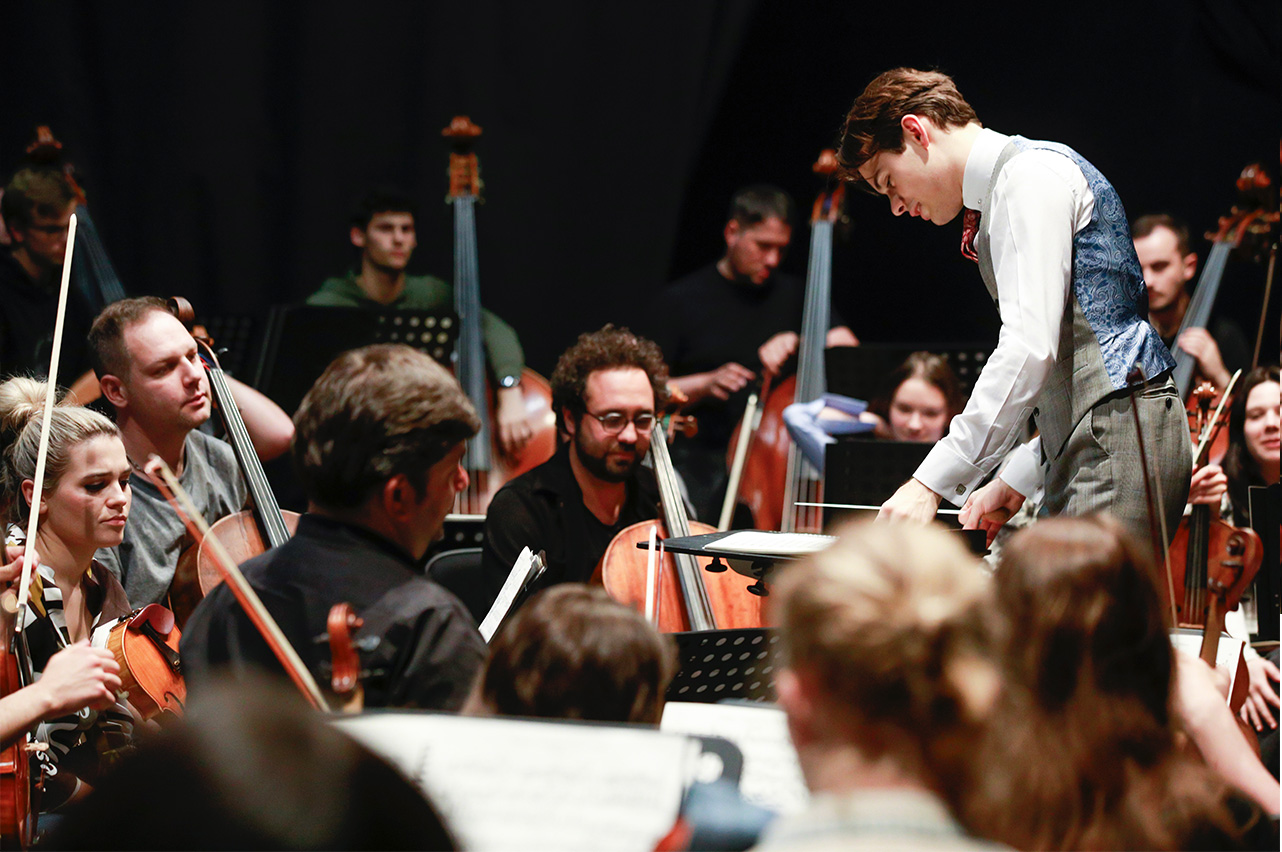
BACKGROUND NATIONALITIES OF THE MUSICIANS
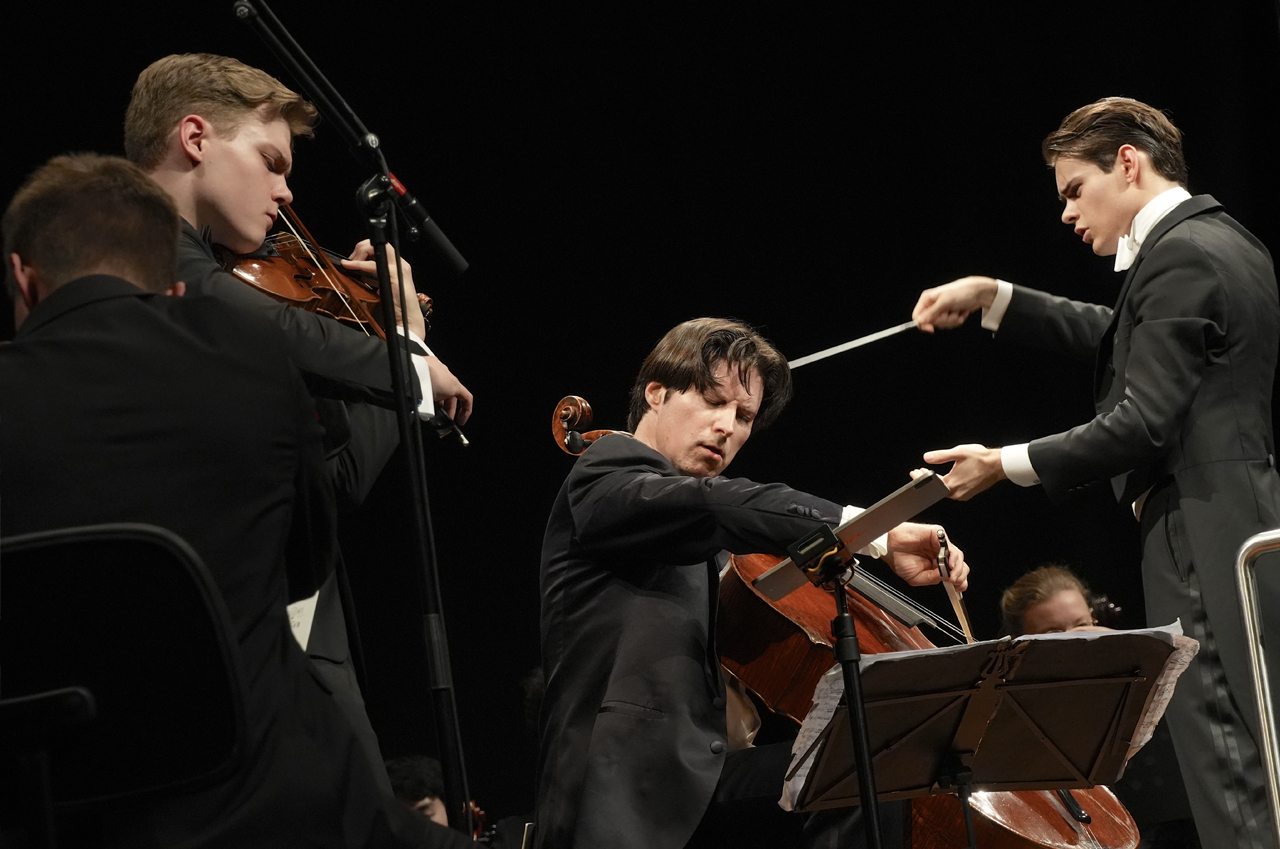
- Orchestra academies of internationally leading orchestras (e.g. Berlin Philharmonic, Royal Concertgebouw, Sächsische Staatskapelle Dresden, etc.)
- Selected permanent members and principal players of the above-mentioned orchestras
- Verbier Festival Academy and Orchestras
32 Nationalities
Austria, Belgium, China, France, Germany, Greece, Hungary, Indonesia, Ireland, Israel, Italy, Japan, Lithuania, Montenegro, Netherlands, Norway, Palestine, Poland, Portugal, Romania, Serbia, Slovakia, Slowenia, South Korea, Spain, Switzerland, Taiwan, Turkey, Ukraine, United Kingdom, USA, Venezuela
Vision of the Orchestra
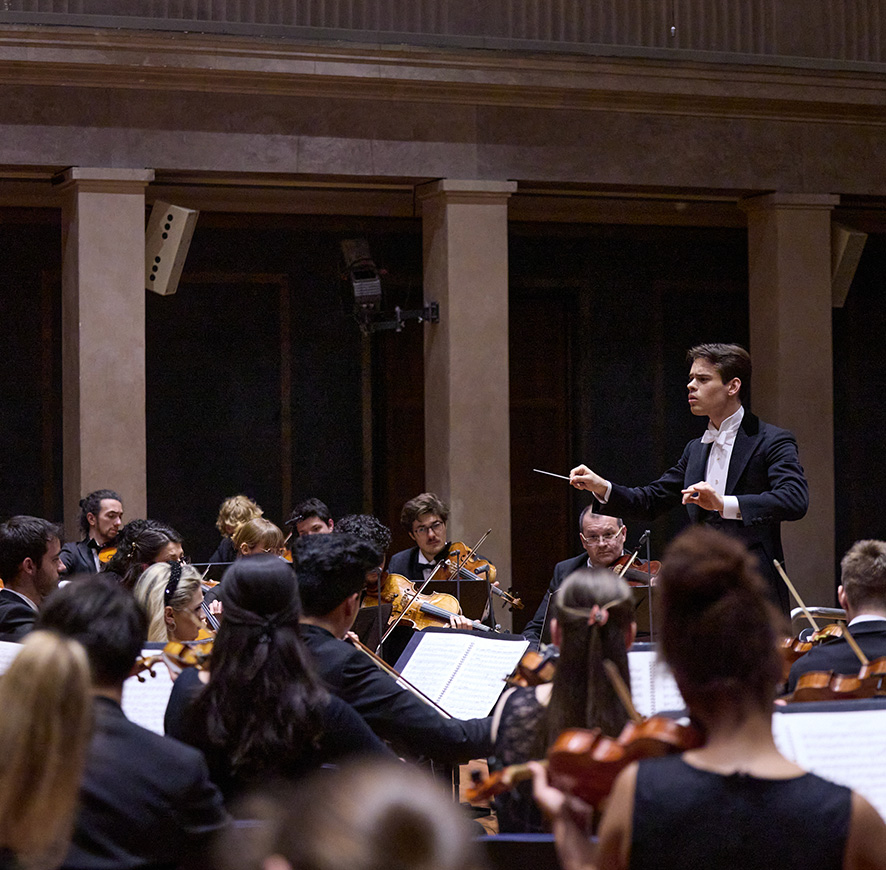
In a time of profound societal upheaval—when technological acceleration, global interconnectedness, and economic pressures collide with overwhelm, a search for meaning, and cultural alienation—the MFO sees itself as a deliberate counterbalance: a cultural beacon and a living space for humanistic values and the continued development of European culture.
As a classical orchestra, it embodies the ideal of a society in which every member, through a combination of individual expression and collective action, alternating responsibilities, and clear artistic leadership, continually strives toward a greater common whole.
Rooted in the classical concert tradition and the rich evolution of European—particularly German—art and cultural history, this unique heritage is not meant to be superficially replicated but consciously lived, preserved, translated into our time, and revitalized. It aims to create a tangible space for the sublime—beyond the realm of event culture and superficial entertainment.
In this spirit, the MFO invites all those who see themselves as co-creators of a cultural renewal to join in shaping a place that extends far beyond music: a center for cultural encounter, intellectual depth, and artistic inspiration.
Special Characteristics of the Orchestra
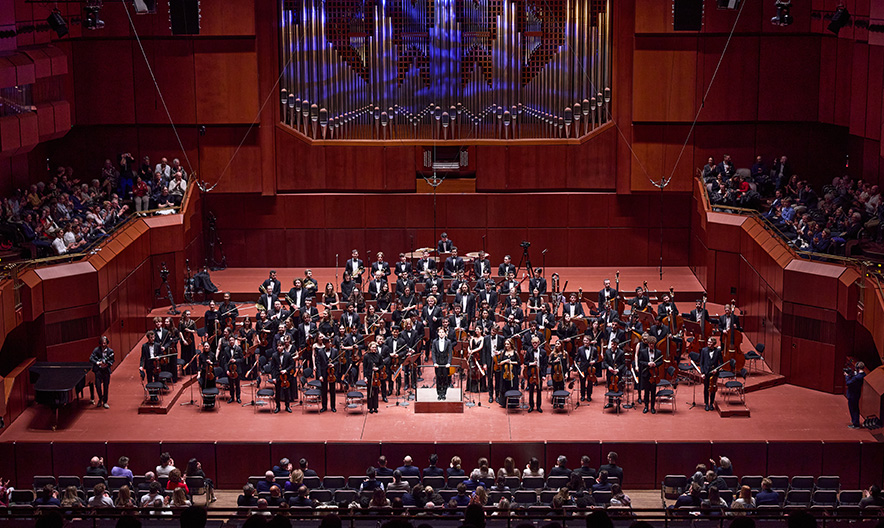
- Founder and Chief Conductor: Maximilian Haberstock
- Origin of the musicians both from Munich and the international music world
- Focus on the Classical and Romantic repertoire (of the 19th century)
- A deep connection with the German sound tradition, providing an excellent basis for the young international musicians to familiarize themselves with this tradition and to make their mark in it
- Current size: 97 musicians with constant expansion
- High artistic quality through extensive rehearsal work and shaping of content
- Special community spirit and artistic camaraderie among the musicians
Future of the Orchestra
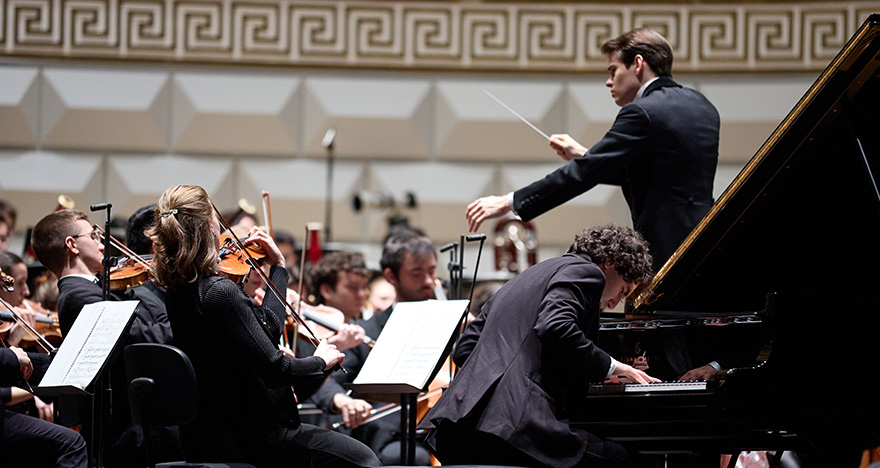
- Symphonic concerts & concert tours (3-4 per Season)
- Founding of a choir
- Concert opera productions (possibly also fully staged productions in the future)
- Music films of orchestral concerts
- Digital productions (possible founding of a record label in the future)
- Initiatives to introduce young people to classical music (e.g. by inviting them to rehearsals and explaining the program with stories, workshops, etc.)
- Artistic presence at the highest international level